







Office of the Commissioners
Commissioners provide guidance in developing the vision of the institution by setting its priorities and ensuring that its policies, programmes and allocated resources are consistent with their vision. This is done through exercising good corporate governance and providing leadership and guidance on the professional work of the Commission. Commissioners hold fortnightly performance reporting meetings with the CEO to oversee the quarterly plenary reporting processes.
The Commissioners are the public face of the Commission, representing the organisation at national, regional and international fora. They also interact with local communities and stakeholders at the national level in order to address human rights issues. In addition to the policy and legislative mandates of the Commission, Commissioners have adopted a document called the Human Rights Matrix.
The Human Rights Matrix tracks the various human rights obligations of South Africa at the international, regional and domestic levels. It is a tool that assists in identification of the Commissioners’ strategic focus areas and priorities. It assists in identifying the unique role of the Commission as a national human rights institution.
The strategic priority areas in the Human Rights Matrix were identified, discussed and integrated into the Strategic Plan. Each Commissioner is assigned a specific province and United Nations treaty body.
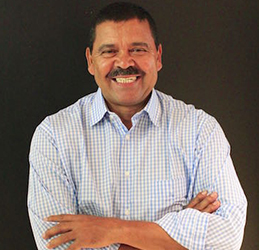
Chris Nissen
Commissioner Nissen was appointed as a part-time Commissioner of the South African Human Rights Commission in January 2018. During his first term at the SAHRC, Commissioner Nissen was responsible for the Civil and Political Rights Focus Area, as well as responsible for overseeing the National Preventive Mechanism (NPM). In 2023, he was elected to the UN Body for Prevention of Torture Worldwide.
Chairperson Nissen leads the SAHRC’s interactions with Parliament (specifically the Portfolio Committee on Justice and Constitutional Development). Further, the Chairperson also represents the SAHRC at domestic and international forums of NHRIs, such as the Forum on Institutions Supporting Democracy, the Global Alliance of National Human Rights Institutions (GANHRI) and the National Alliance of National Human Rights Institutions (NANHRI). Through the GANHRI peer-review based accreditation process, the SAHRC has maintained status compliance with the Paris Principles (Principles Relating to the Status of National Human Rights Institutions). This means the Commission meets the minimum standards that National Human Rights Institutions must meet to be considered credible and operate effectively.

Philile Ntuli
Human Rights questions that currently concern Ms Ntuli relate to climate justice/injustice, the politics of land (access, use, and ownership), human relationships with nature, ‘greener’ economy/ies, and the nature of feminist leadership.
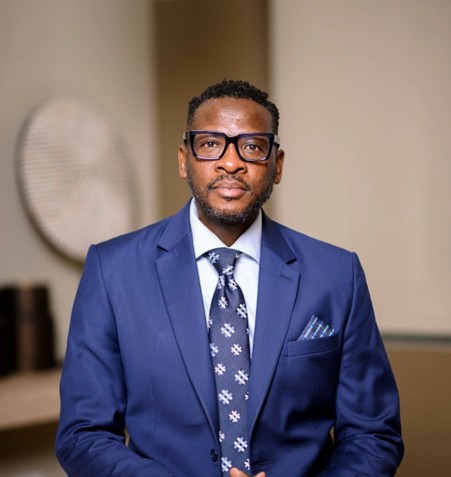
Prof. Tshepo Madlingozi
For over ten years, he worked for and with the Khulumani Support Group—a social movement advocating for reparations, redress, and sustainable reconciliation—serving as Advocacy Coordinator and later Chairperson. He has been a consultant to local and intergovernmental organisations, including the Pan-African Parliament and the Office of the United Nations High Commissioner for Human Rights. He is an Extraordinary Professor at the Faculty of Law, Stellenbosch University; an Adjunct Professor with the Chair for Critical Studies in Higher Education Transformation at Nelson Mandela University; a visiting Professor at the International Institute of Social Studies of Erasmus University Rotterdam; and a faculty member at the Vienna Master of Arts in Applied Human Rights. He is a co-editor of 'Symbol or Substance: Socio-economic Rights in South Africa' (Cambridge UP) and of ‘Introduction to Law and Legal Skills in South Africa, 2nd Edition' (Oxford UP South Africa).
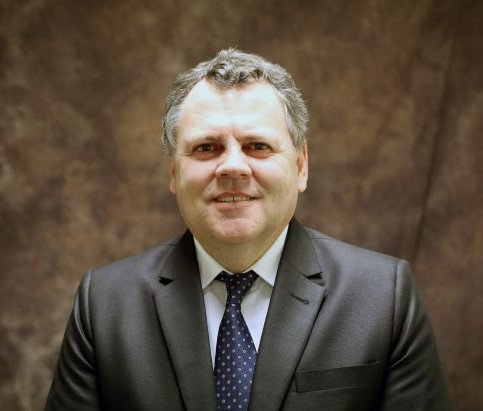
Dr. Henk Boshoff
Before this appointment, he served two successful terms as the Free State based Commissioner of the Public Service Commission of South Africa (PSC). He was appointed in 2014 for a five-year term, where after the President of Republic of South Africa reappointed him in 2019 for another five-year term.
He was employed in local government for eighteen (18) years and has a proven record of accomplishment, at the municipalities where he was employed as a senior manager (including accounting officer), of clean governance and being at the forefront of ensuring visible service delivery. These municipalities include the Motheo District Municipality and the Mangaung Metropolitan Municipality.
He served on the following statutory Councils as a Council/Board member:
• National Heritage Council of South Africa
• Free State Gambling and Liquor Authority
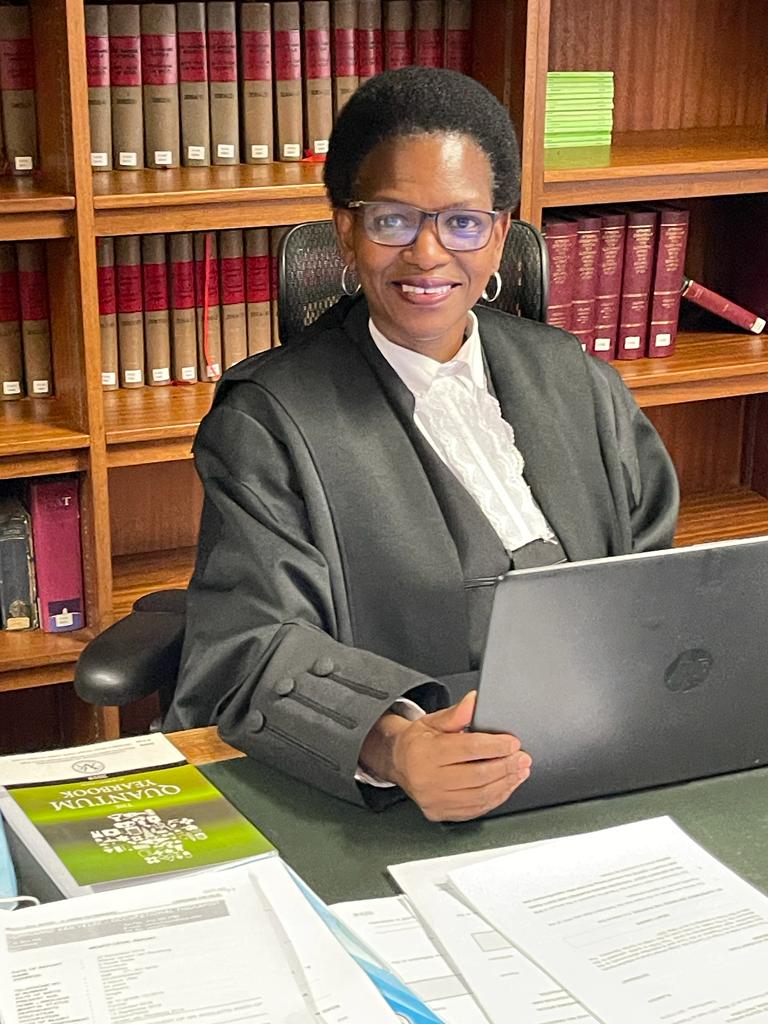
Elspeth Nomahlubi Berlinda Khwinana
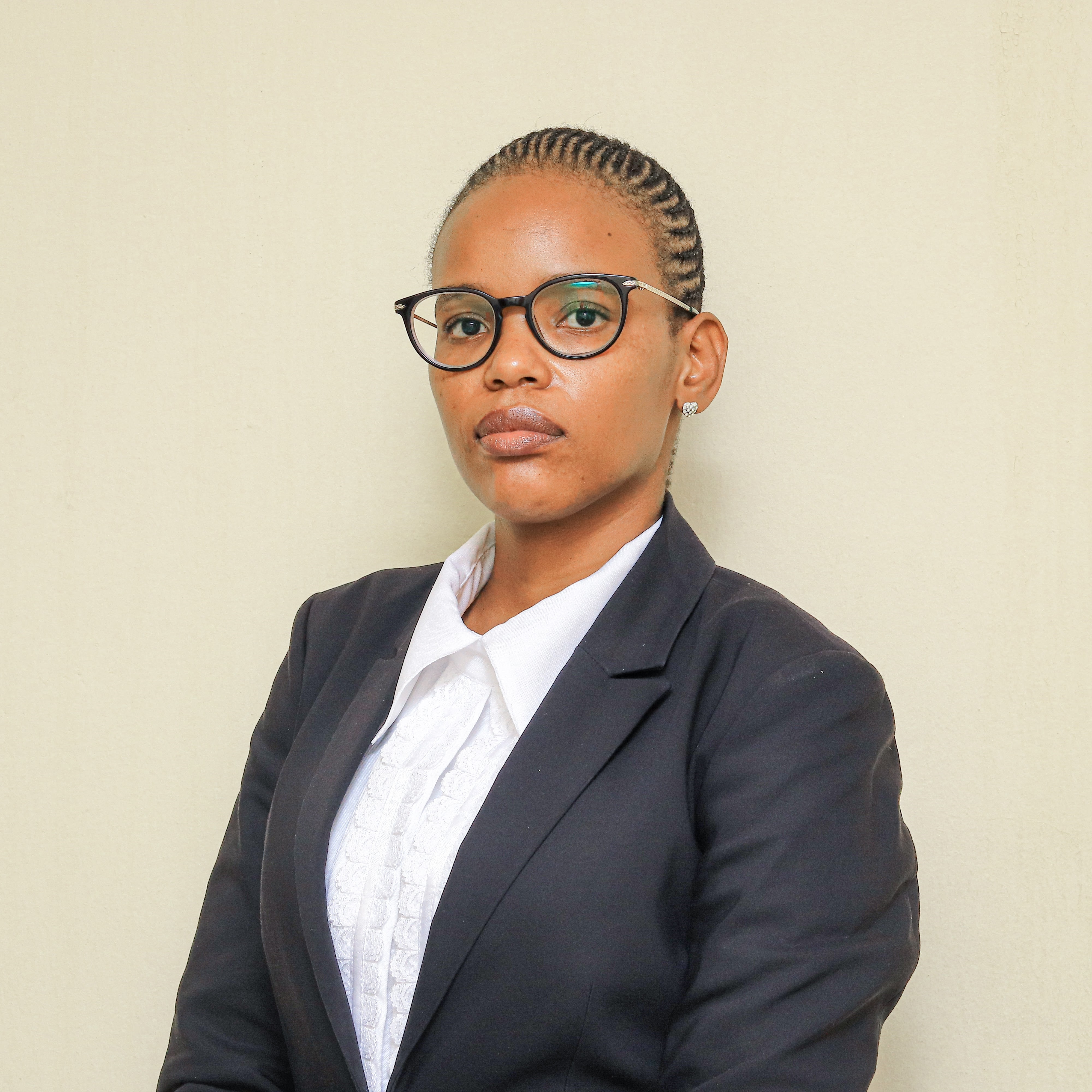
Advocate Sandra Selokela Makoasha
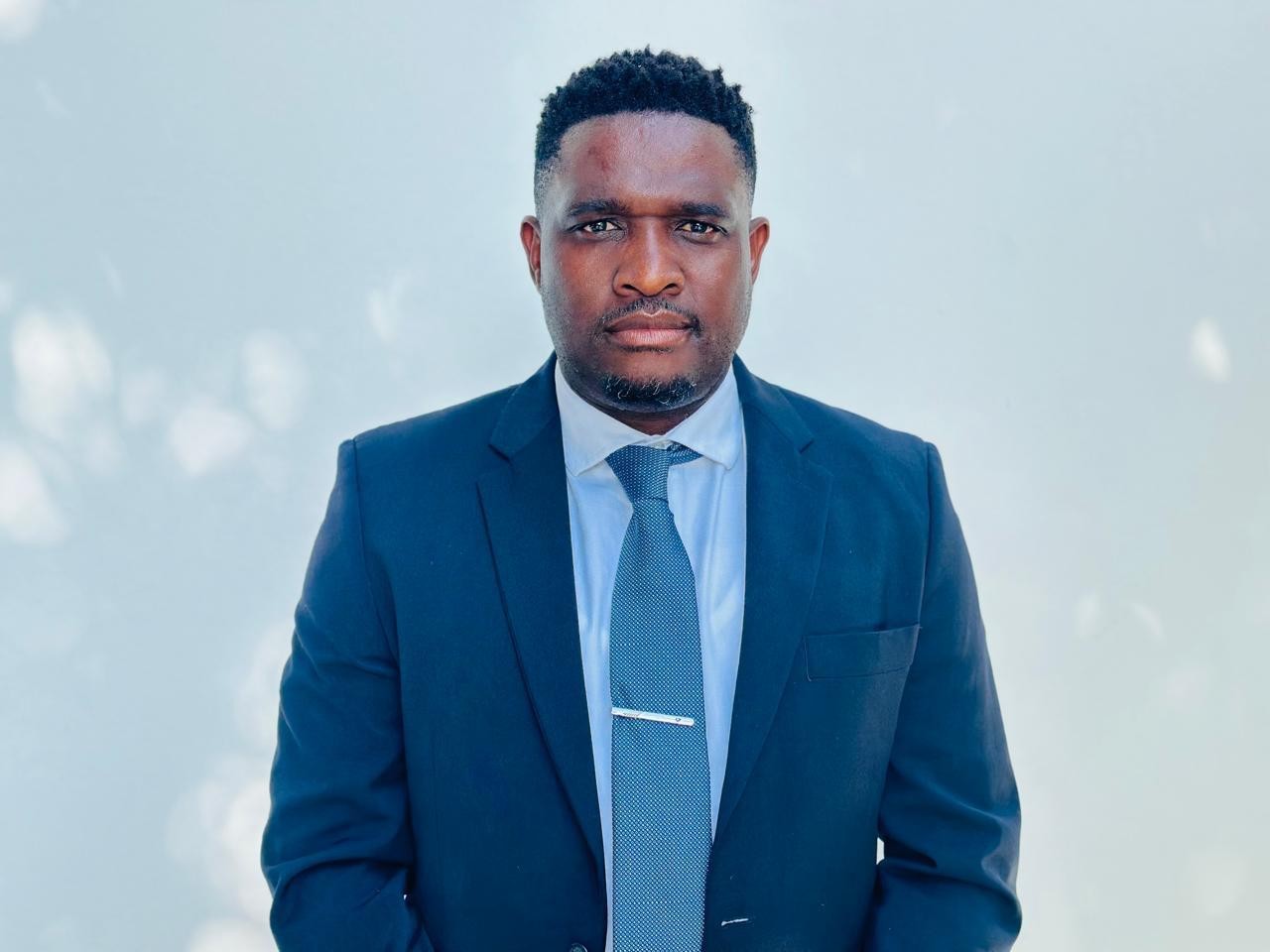
Aseza Arthur Gungubele
He is pursuing a master’s degree in public administration at the University of the Free State. Research topic: MIGRANTS' ACCESS TO PUBLIC SERVICES IN SOUTH AFRICA: A HUMAN RIGHTS PERSPECTIVE
Academically, Mr. Gungubele holds a National Diploma in Retail Business Management from Cape Peninsula University of Technology, an Advanced National Diploma in Public Administration, and a Bachelor of Administration (Honors) degree from the University of the Western Cape.
As a commissioner, Mr. Gungubele is responsible for three critical focus areas: Migration, Climate Justice, and Human Settlements, where he continues to advocate for human rights and social justice.